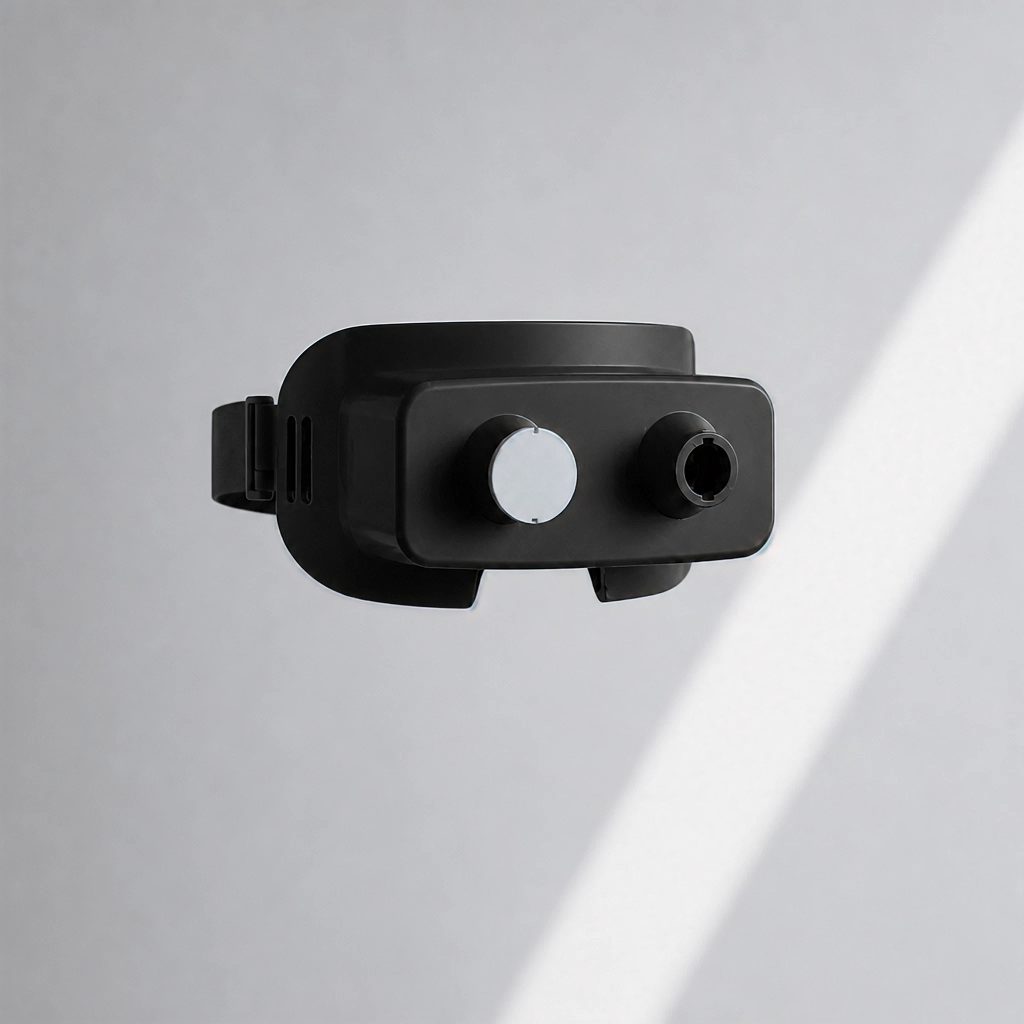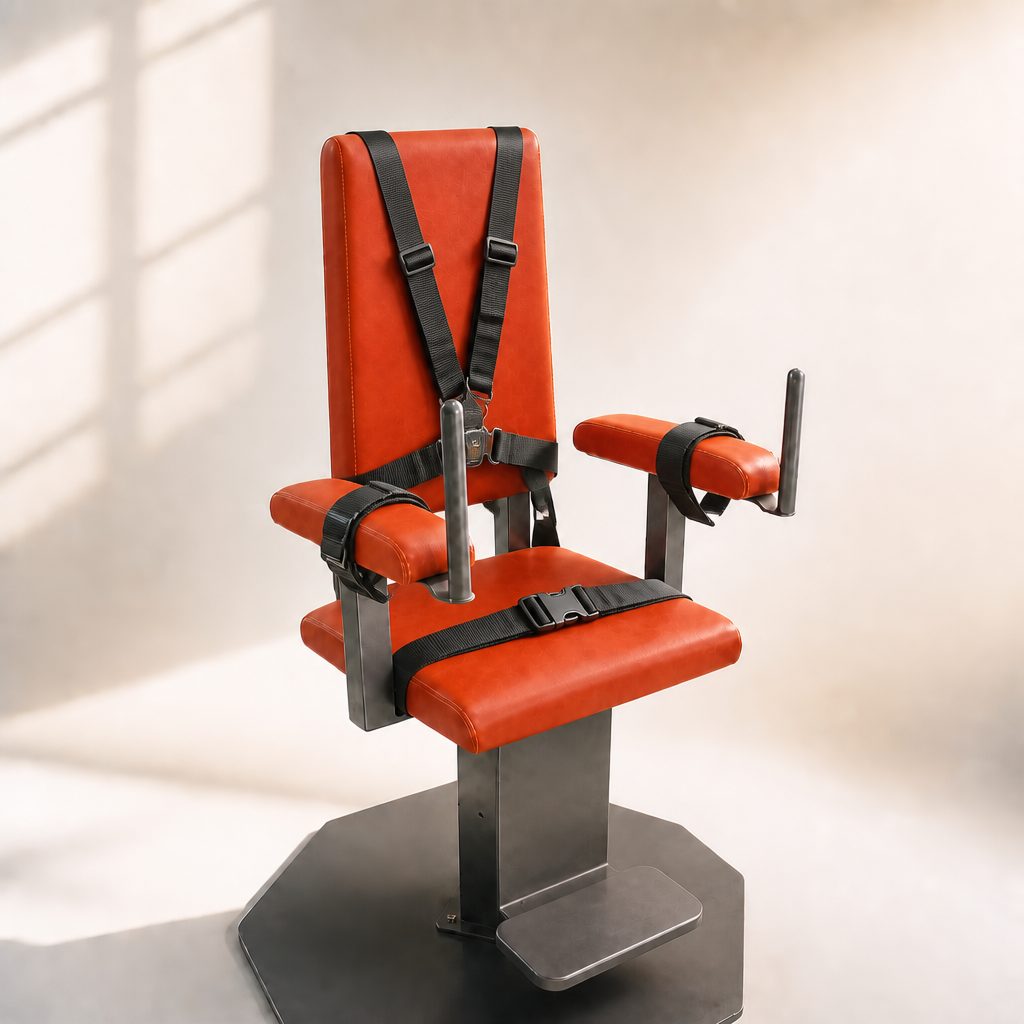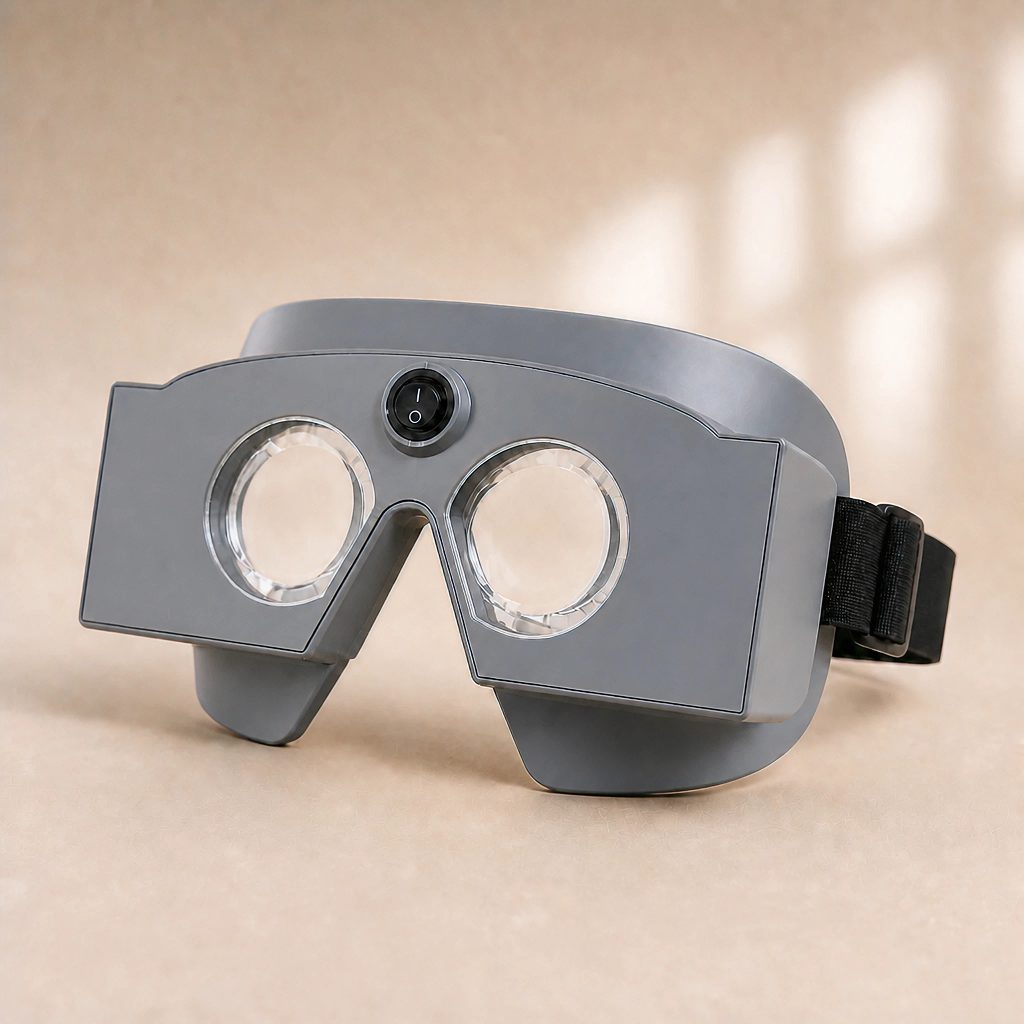

Objective functional Head Impulse Test. Canal-specific dynamic visual acuity with targeted rehabilitation.

The VOR exists for one purpose — to keep vision clear while the head is in motion, which is the reality of everyday living. The most meaningful way to assess it, therefore, is to study the very endpoint it serves: visual acuity during head movement itself. equifHIT does exactly this, shifting the head impulse test from an inference drawn from eye movement to a direct, functional measurement of how well the patient actually sees while moving.
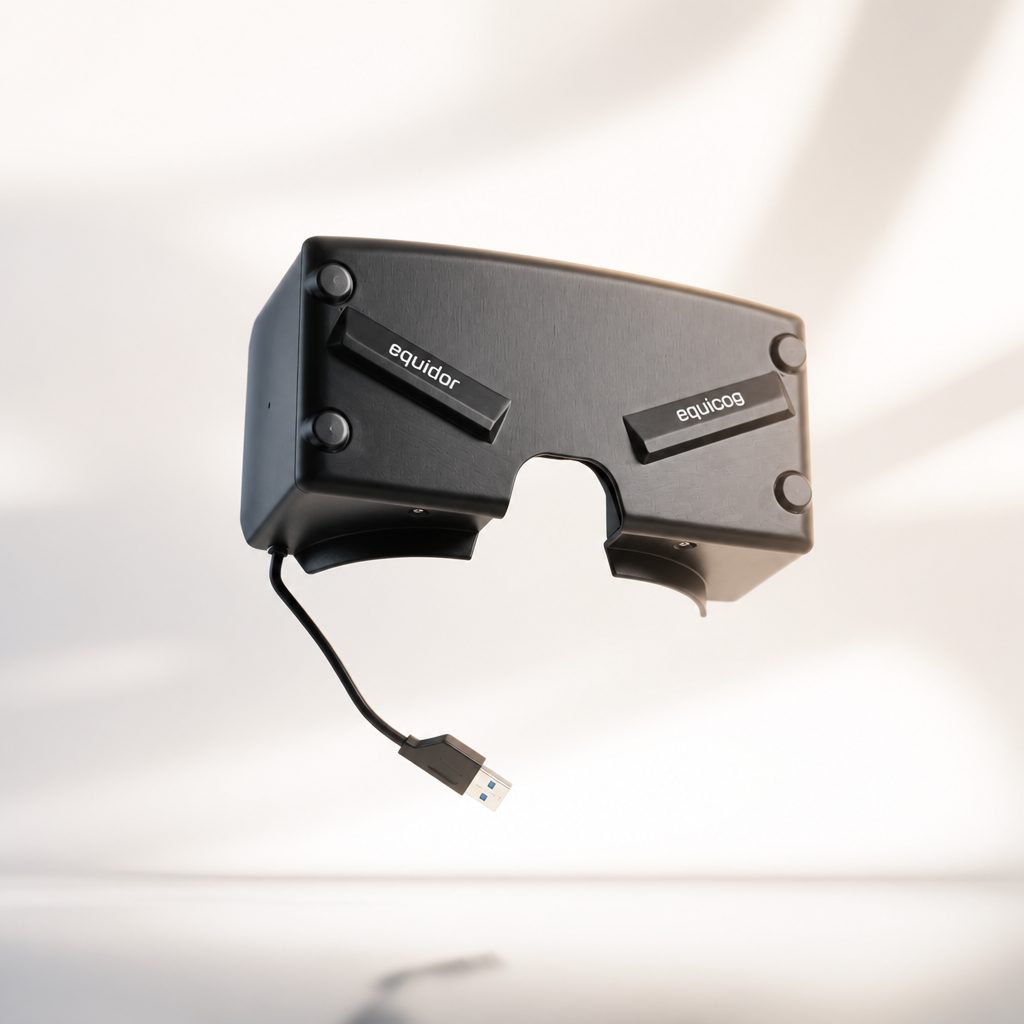
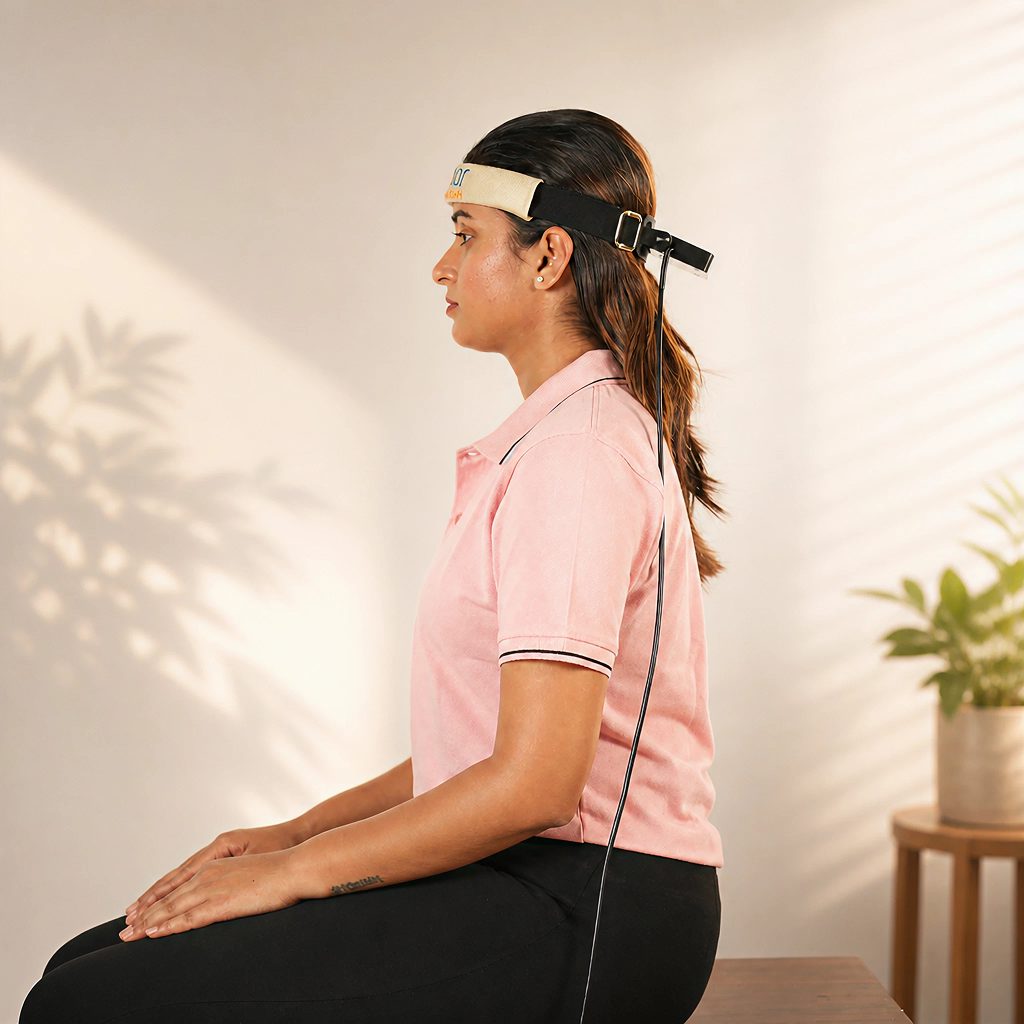
Each semicircular canal is isolated and tested individually. Continuous rotational velocity sensing releases the optotype only when the head movement falls in the pure plane and direction of the target canal, and optotype size is calibrated to the patient’s own baseline acuity — measured by the device software at the start of testing. Short-arc high-velocity protocols probe phasic canal function while long-arc moderate-velocity protocols assess tonic function, and pro-direction and anti-direction optokinetic backgrounds allow the clinician to interrogate the interaction between vision and VOR. The same precision drives rehabilitation: head movements are delivered in canal-specific planes, and user-configurable reward levels progressively reduce optotype size with accurate responses — three correct responses at reward level 3, for instance, step the size from 1.0 down to 0.9, while a single error resets the challenge. Housed in an aeronautical-grade metal enclosure that sits unobtrusively at the occiput on a comfortable headband and connects through a single USB cable, equifHIT brings canal-specific assessment and targeted rehabilitation into one elegant point-of-care platform.
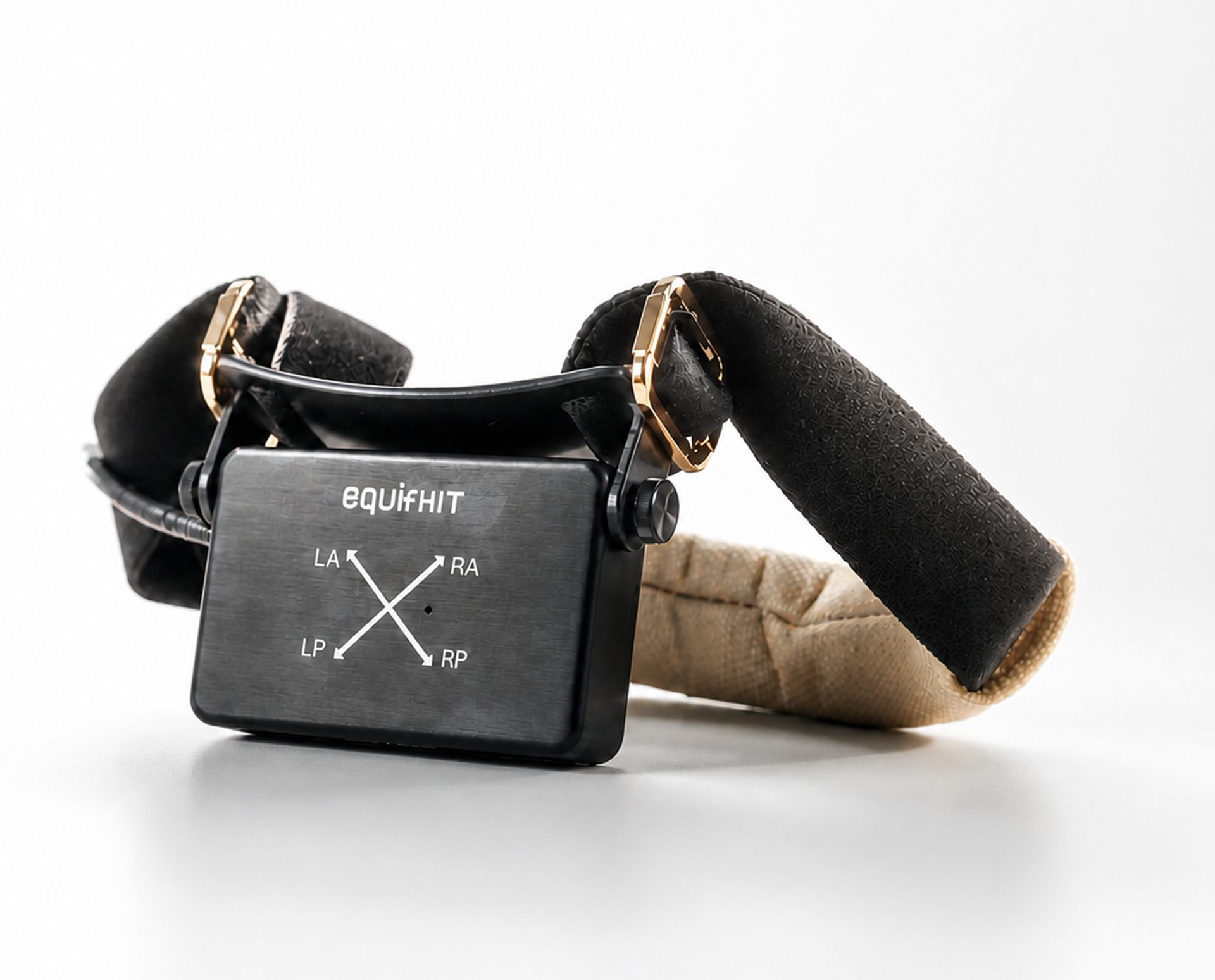
Key Capabilities
- Tests each of the six semicircular canals separately
- Standard rapid protocol and stepped multi-velocity protocol in one device
- Automatic rejection of incorrect stimulations
- Rotating optokinetic background (CW / CCW) for visual stimulation
- VOR rehabilitation protocols built in
- Clear indication of both the canal tested and the participating extraocular muscles
- Inclusive stimuli: English, Indian languages, numerics and Landolt C
Hardware Specifications
Test Protocols
Diagnostic Protocols
- Visual Acuity (static baseline)Patient’s own baseline visual acuity measured by the device software at the start of testing.
- TonicLateral, LARP and RALP planes; standard 150–200 °/s velocity band for horizontal canals; 100–150 °/s for vertical canals.
- PhasicHigher velocity bands 150–200, 200–250, 250–300 °/s; optokinetic background stimulation — blank, pro-direction, anti-direction.
Therapeutic / Rehabilitation Protocols
- VOR RehabilitationGuided exercises to improve patient vestibulo-ocular reflex.
Highlights
- Measures dynamic visual acuity during head impulses — the functional endpoint the patient experiences, not just the reflex that drives it.
- Phasic and tonic protocols separate fast- and slow-pathway dysfunction within the same semicircular canal, narrowing the lesion site.
- Pro- and anti-optokinetic backgrounds reveal how a patient switches between visual and vestibular cues — a contextual reading static fHIT cannot give.
- Optotype size is calibrated to each patient’s static visual acuity, so the test never confounds a vestibular deficit with an optical limit.
- The same device delivers assessment and canal-specific rehabilitation, closing the diagnostic-to-therapeutic loop on one platform.