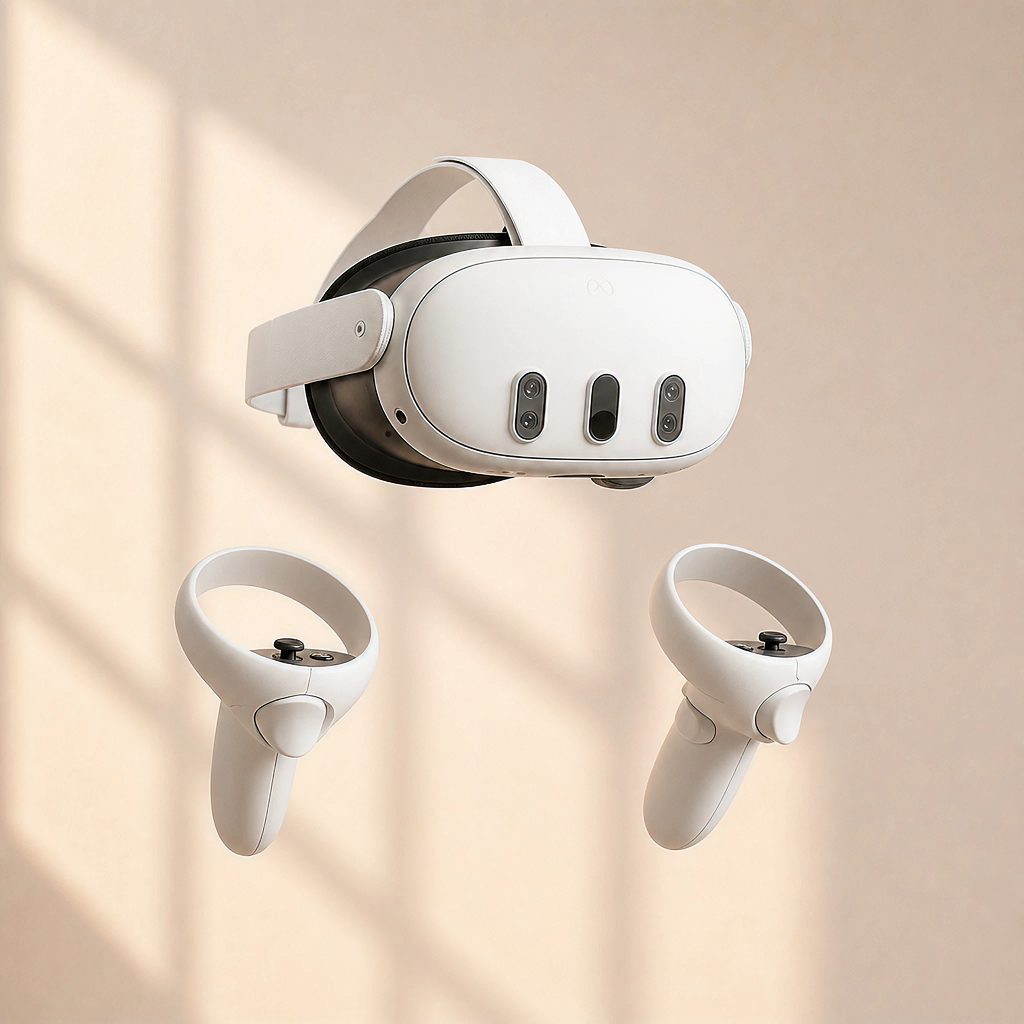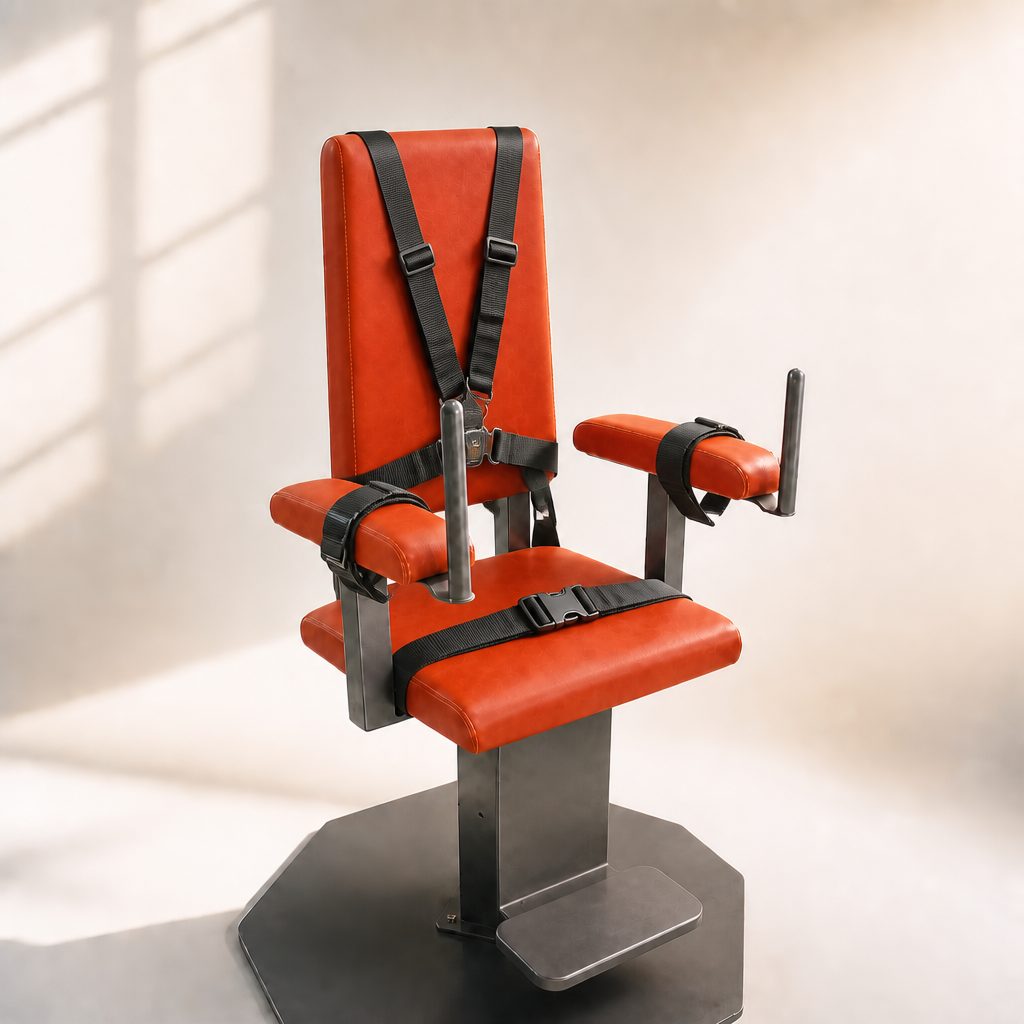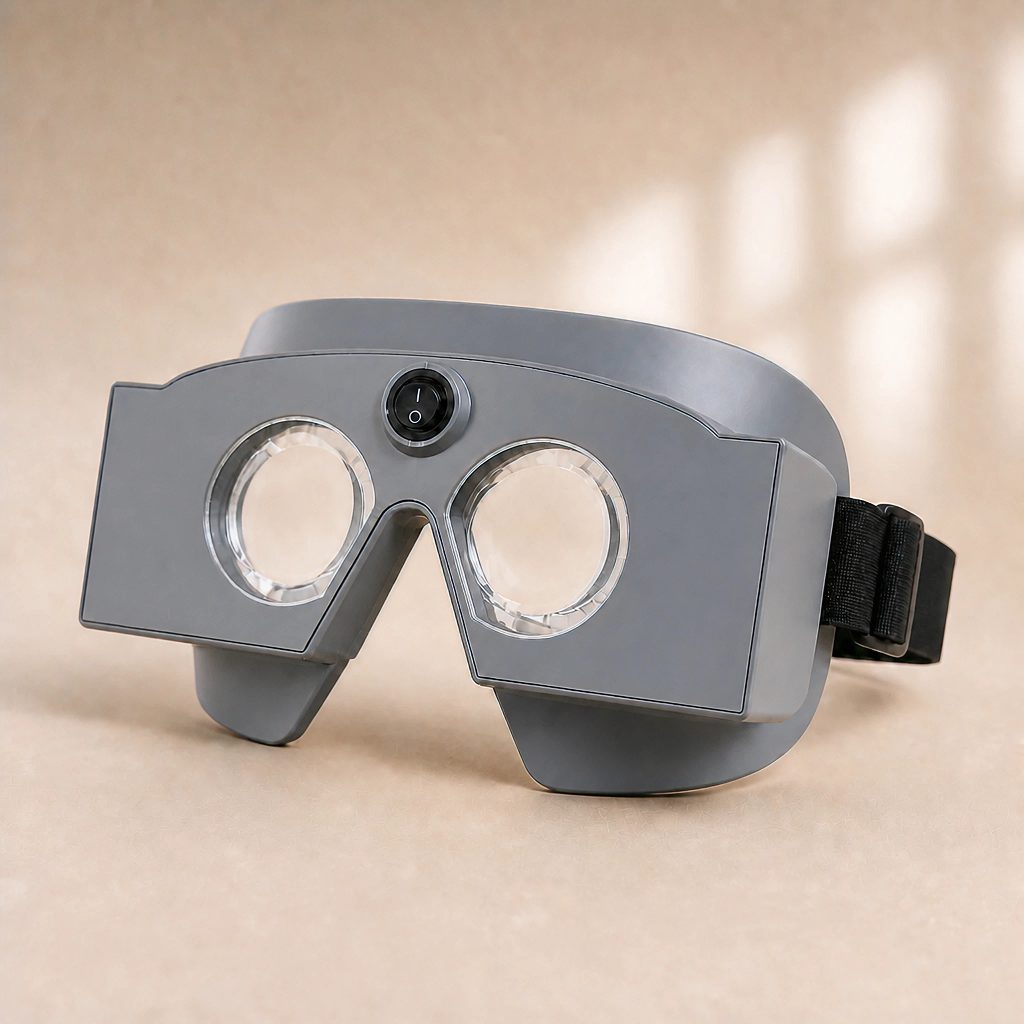

Subjective visual vertical and horizontal. Reference-free tunnel-vision testing, monocular or binocular, with static and dynamic background protocols.

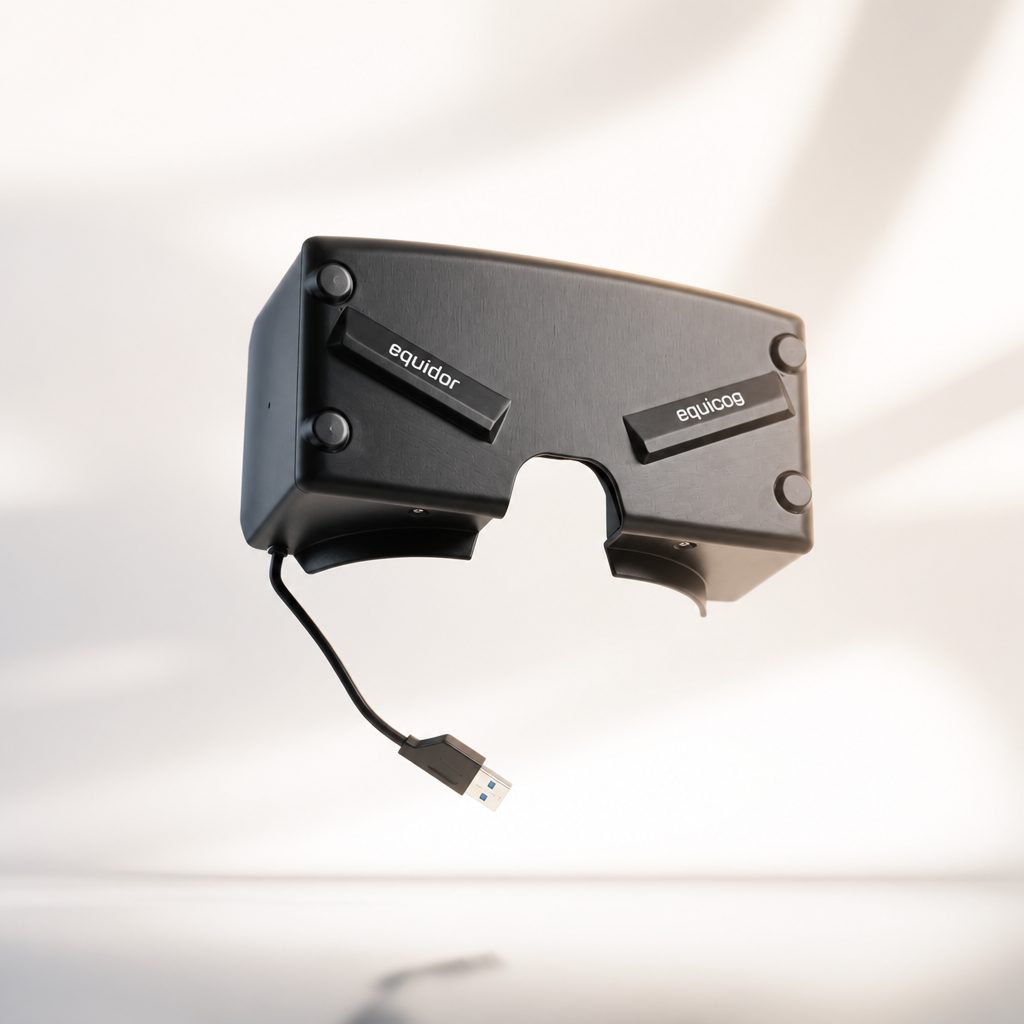
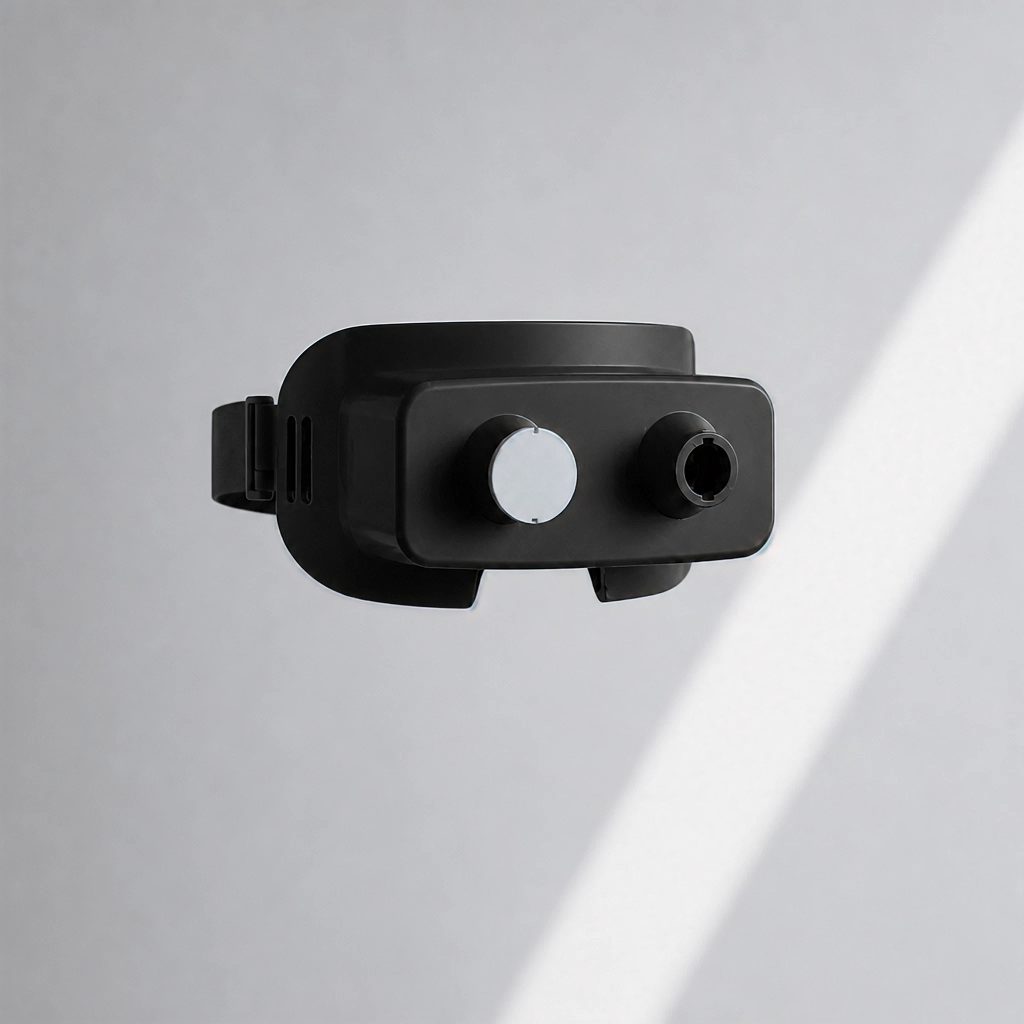
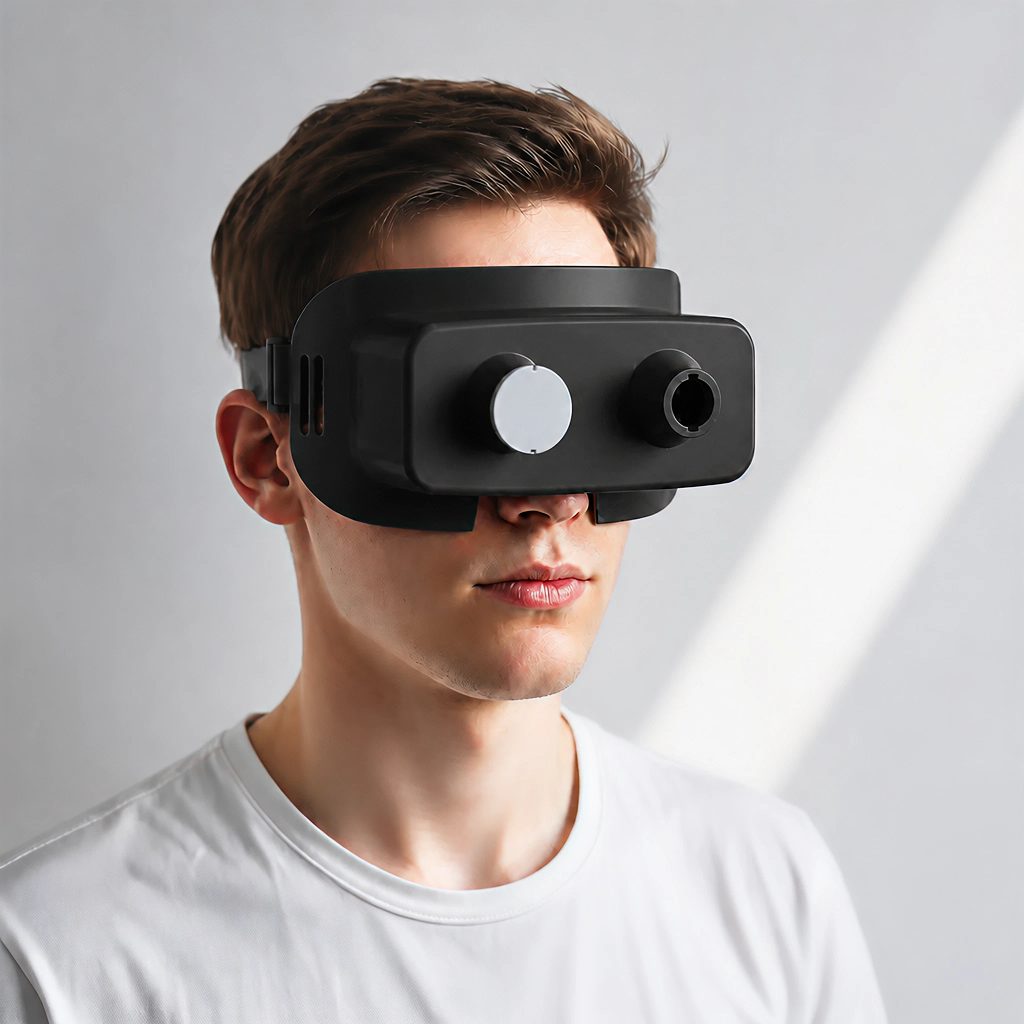
The subjective sense of vertical and horizontal is a direct window into otolith and central vestibular function — but the test is only as good as the conditions under which it is performed. Even subtle environmental cues, including the edges of the very monitor used to present the stimulus, can compromise the response by giving the brain a spatial reference to lean on. equiSVV&H eliminates this contamination through head-mounted tunnel-vision goggles that restrict the field of view to the test stimulus alone, while supporting each eye separately or both together for a clean, uncontaminated measure.
Subjective visual vertical and subjective visual horizontal are run as independent tests, each supported by a rich set of protocols. The bar can be presented against a blank background or against dynamic backgrounds — checkerboard and radial optokinetic patterns at high, medium, and low spatial frequencies — allowing the clinician to probe how visual flow modulates the patient’s spatial reference. Background rotation speeds span 0.5 to 32 degrees per second across the pre-configured protocols, and the system is fully user-configurable for research applications in which still higher speeds are needed. The result is a flexible, reference-free platform that serves both routine clinical SVV/SVH assessment and advanced visuo-vestibular research.
Key Capabilities
- Head-mounted tunnel-vision goggles eliminate environmental visual references
- Monocular (each eye separately) and binocular testing in a single device
- Independent SVV (Subjective Visual Vertical) and SVH (Subjective Visual Horizontal) test modes
- Rich background library — blank, checkerboard, and radial optokinetic patterns
- Three spatial-frequency settings — high, medium, low — for dynamic background patterns
- Background rotation speeds from 0.5 to 32 °/s across pre-configured protocols
- Fully user-configurable for research use at higher speeds and custom backgrounds
- Single platform serves routine clinical SVV/SVH assessment and advanced visuo-vestibular research
Hardware Specifications
Test Protocols
Diagnostic Protocols
Subjective Visual Vertical (SVV) and Subjective Visual Horizontal (SVH) are run as independent tests.
- High Spatial Frequency – Slow (CW)Detailed background pattern rotated clockwise at low velocity.
- Low Spatial Frequency – Medium (CW)Coarse background pattern rotated clockwise at medium velocity.
- Random Dots – Fast (CW)Random-dot optokinetic background rotated clockwise at high velocity.
- Checkerboard – Slow (CW)Checkerboard background rotated clockwise at low velocity.
- Dark / Blank BackgroundReference-free baseline measurement with no visual flow.
- High Spatial Frequency – Slow (CCW)Detailed background pattern rotated counter-clockwise at low velocity.
- Low Spatial Frequency – Medium (CCW)Coarse background pattern rotated counter-clockwise at medium velocity.
- Random Dots – Fast (CCW)Random-dot optokinetic background rotated counter-clockwise at high velocity.
- Checkerboard – Slow (CCW)Checkerboard background rotated counter-clockwise at low velocity.
- User-Defined ProtocolsCustom backgrounds and rotation speeds for research applications.
Highlights
- Head-mounted tunnel-vision goggles remove every spatial reference — even the monitor’s own edges — so the patient’s true vertical perception comes through uncontaminated.
- Monocular and binocular testing supports the full set of clinical differentials, including unilateral utricular involvement that binocular-only tools cannot isolate.
- Static and dynamic optokinetic backgrounds quantify visual dependence with directional and frequency specificity, not just a single global score.
- A wide rotation-speed range lets the clinician match the stimulus to the question — slow for fragile vestibular cases, fast for confirming high-frequency deficits.
- Spans acute peripheral vertigo, central vestibular disorders and chronic visual dependence in one device, from initial assessment through follow-up.